
I like to define mental wellbeing as the state of having the emotional and psychological capacity to make positive choices at every point in time. Our inherent need for long-lasting inner peace is usually met when we are able to consistently act in ways that are healthy for us and our environment (the people and the things around us).
I once stumbled upon this quote by Iyanla Vanzant “There are two emotions: love and fear” and I absolutely agree with her.
Truly, if we perform a thorough self-assessment, we will discover that we are always driven by love and/or fear.
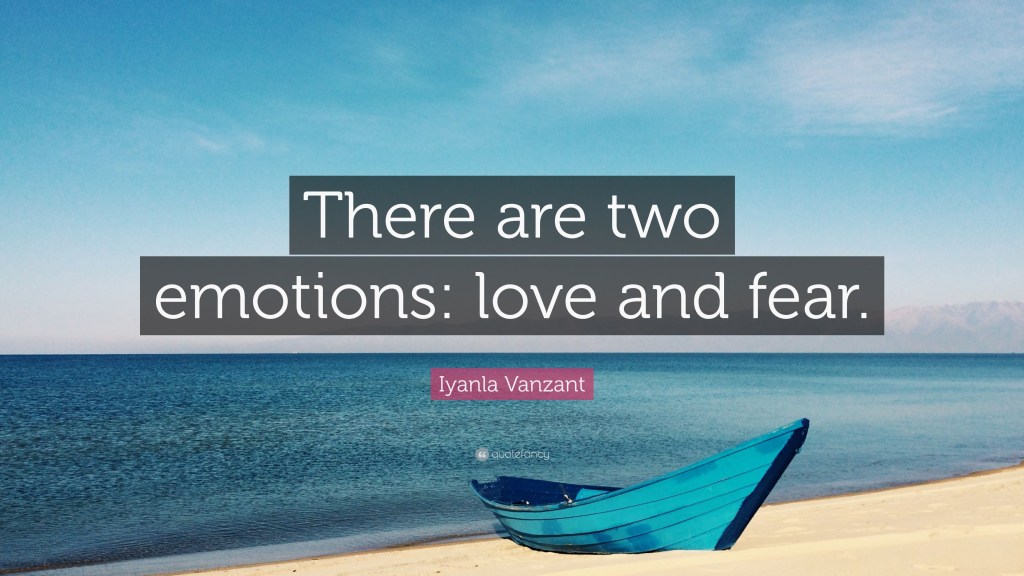
To preserve our mental wellbeing on our journey along the mountain of selflessness, it will be beneficial to admit that we cannot control these two emotions but we can regulate the thoughts and the feelings that they generate.
It is natural to worry and feel anxious, angry, nervous, frustrated, disappointed, humiliated, sad or scared when triggered by the fear of lack, loss, rejection and death and it is equally human to feel excited, elated, proud, happy, joyful, compassionate or affectionate when stimulated by our love for abundance, possessions, acceptance and life.
Some other times, we experience infatuation, obsession and anxiety when controlled by both emotions at the same time. This happens because we are aware of the negative consequences that could result from our attraction to someone or something.
We should note that the emotion of fear has some benefits. It helps us to make good choices like avoiding danger, meeting expectations and observing the laws and regulations that keep the world in order. Likewise, human love causes us to do or say harmful things when the affections that it stimulates are not well-managed. Our desires sometimes lead to lust if not put under necessary control.
I love these words of Jonatan Martensson, “Our feelings are much like waves, we can’t stop them from coming but we can choose which one to surf”.

When I experience challenges in my mental health, these three tools have always helped me to choose the right feelings and thoughts to surf.
1. Mindfulness – making a choice to analyse myself before I speak or act. Two questions help me to achieve this;
- What are my thoughts and feelings at the moment? Is it Worry or Joy or Sadness or Calmness or Anger or Jealousy or Envy etc?
- Do my feelings and thoughts have the potential of causing me to do or say helpful or harmful things?
2. Meditation – When I recognize that I may make the wrong choices with my actions or words, I suppress the unwanted feelings and thoughts with meditations. I do this by;
- reflecting on God’s unconditional love for me and the entire universe.
- expressing my surrender and thanks to God verbally (prayers) or in writing (journalling).
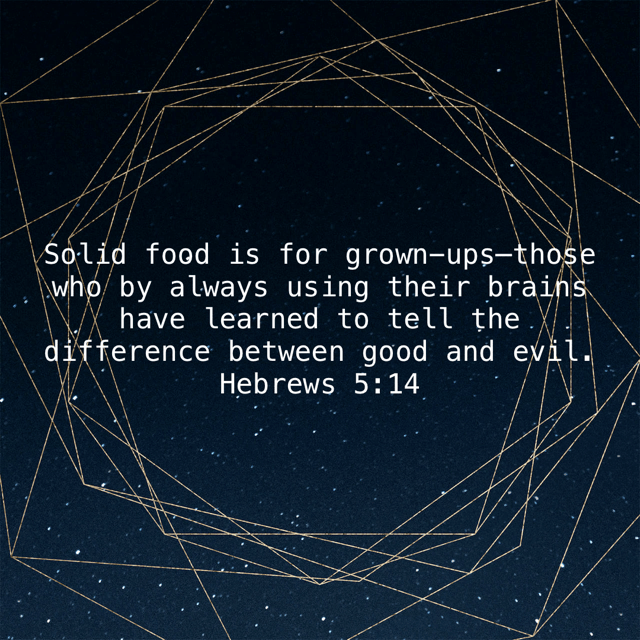
As a christian, I sometimes look out for Bible verses, songs, books, podcasts and videos or reach out to christian friends and family that remind me of my worth, blessings and purpose as observed in the life of Jesus Christ.
My agitations are eradicated as I allow God’s perfect will to prevail instead of mine.
3. Distractive activities – We can choose to distract our minds from undesirable sensations and concepts by engaging in the activities we enjoy. The effect of doing this may be short-lived but it sustains me until I am able to get some time for meditation.
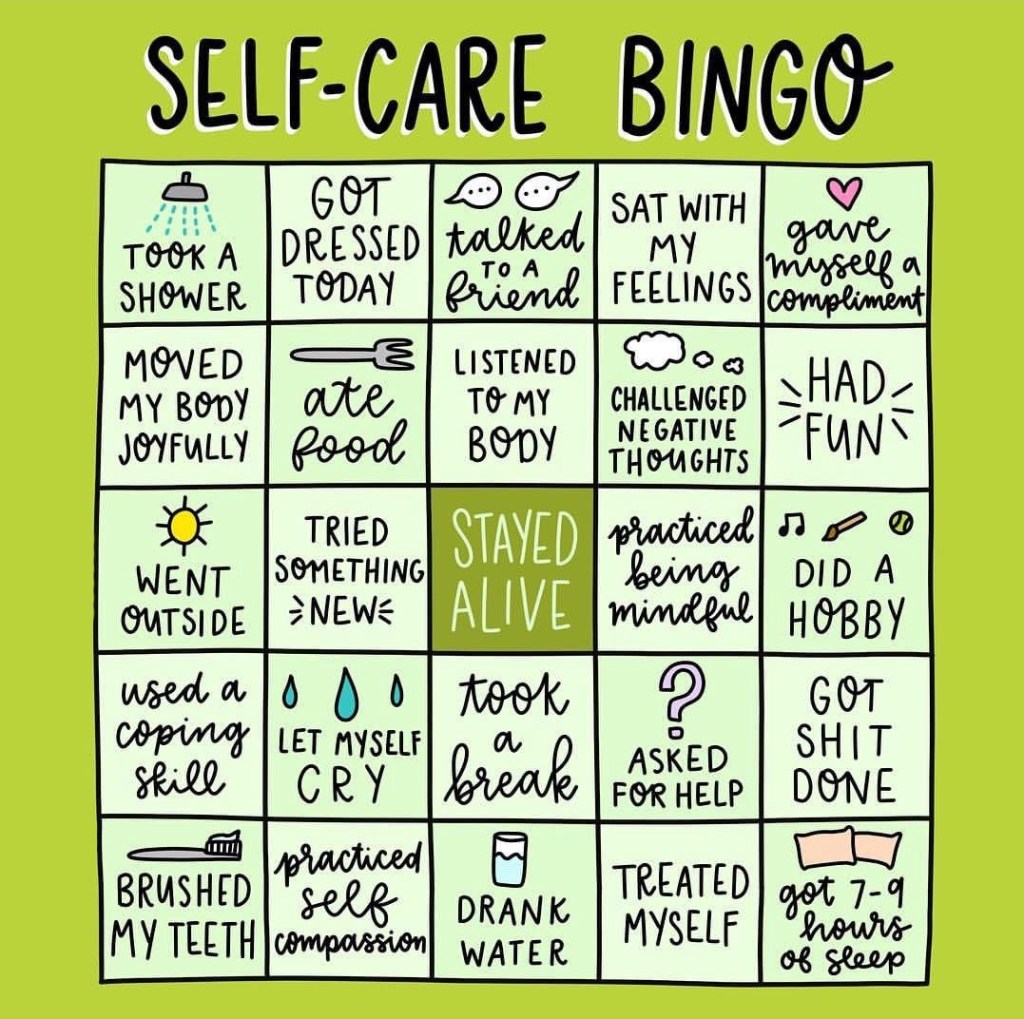
Some examples of healthy activities include sleeping, taking a short break from routines, hiking, bike-riding, exercising, eating, gaming, dancing, drawing, chatting or hanging out with loved ones, venting to a good listener, attending meetings that allow for debriefing and sharing of feelings, selfless acts of kindness. The list is endless.
For self-care, it is advisable to avoid some enjoyable activities like taking alcohol, smoking, and overeating because of their adverse effects on our physical health.
I hope you find these three tools as useful as they have been to me.
N.B: The information contained in this blog does not replace the medical advice of a healthcare provider. Consult with your psychologist regarding recommendations about your mental health.
Discover more from Avid Readers of Africa
Subscribe to get the latest posts sent to your email.

Commendable. I find this article so educative. Thanks.
LikeLiked by 1 person
Wow am enlightened very educative well done 👍
LikeLiked by 1 person
Woooooow I love this,This is great 👍
More knowledge ijn
LikeLiked by 1 person
Quite informative. 👍
LikeLiked by 1 person
Nicely put!
Venting a good listener 👌
LikeLiked by 1 person
Nice one. More grace!
LikeLiked by 1 person
Good
LikeLiked by 1 person
Very impressive .
LikeLiked by 1 person
Perfect timing for discussions like this (Due to the pandemic more people are susceptible to Mental health issues). Mental health is real and it could happen to anyone, knowing the signs and what to do is important. Thank you
LikeLiked by 1 person
Thank you ma’am
LikeLiked by 1 person