When I left Nigeria for Canada, I didn’t just move across the ocean. I crossed into a completely new world; a world of different cultures, languages, behaviours, and ways of life. And like so many immigrants, I arrived with hope in one hand and uncertainty in the other.
Whether we accept it or not, the world keeps evolving. Globalization, technology, and international migration have woven our lives together in ways our forefathers could never have imagined. Today, diverse cultures have been forced to connect, overlap, collide, and learn from one another. Intercultural communication is no longer optional. It is now an essential skill that we must cultivate to get the best from our multicultural world.
Culture shapes everything; how we speak, how we listen, and how we express emotion.
It shapes the words we choose, and the silences we allow. It guides the way we stand, the way we smile and even the way we look at one another.
As an African… a Nigerian… I grew up learning to say my mind without mincing my words. We speak our truth clearly, plainly, and confidently. This is how we show respect and authenticity.
But here in Canada, communication is different; more indirect, more careful, more wrapped in diplomacy. Softened with politeness…tucked gently between what is said and what is left unsaid.
I remember speaking passionately in a board meeting; only for my words to be perceived as an attack. I remember the polite smiles that hid the discomfort they felt. The awkward silence.
The misunderstandings that followed.
I remember my children, brilliant and confident writers back in Nigeria, being told in their new schools here to “Elaborate! Add more! Write more!”
At first, they struggled to adjust,
because in Nigeria, communication is succinct and substantive….but here, elaboration is valued. It took a culturally sensitive teacher to realize they were not poor writers. They were simply culturally different.
This is why cultural awareness matters.
It transforms judgment into understanding.
It transforms misunderstanding into empathy. Culture influences everything;
even the roles we expect men and women to play.
African culture often celebrates masculinity;
with strong authority and expectations resting heavily on men. On the other hand, Canadian culture is more nurturing. Here, men are more open to compassion, emotional expression, and softer approaches to life.
Men who were raised in cultural environments where domestic responsibilities were traditionally assigned to women now encountered the practical realities of preparing meals, washing dishes, and bathing their babies. While some adapted to these new expectations, others found the transition considerably challenging. For many families, this resulted in a strain that is rooted in shifting identities, roles, and expectations, contributing to significant marital breakdown.
Our children are caught between two worlds and they feel the weight of constant conflict in their minds. They experience confusion, identity struggles and emotional strain as they try to make sense of who they are in a world so different from the one they’ve always known.
Immigration does not only change our address; it rearranges our family dynamics and approach to relationships. In Africa, hierarchy is firm. The firstborn carries the greatest authority among siblings. Managers at workplaces are respected without question. Teachers are feared and revered by their students.
But here in Canada, children call adults by name. Employees can question decisions made by their managers and leadership is more collaborative.
So when an African seem quiet in classrooms, or reluctant to self-advocate in workplaces; it is not the lack of confidence.
It is culture.
Another common experience that sits heavily in the heart of many immigrants is when non-africans hesitate to pronounce our names.
I remember raising my hand in a Zoom class, first to ask a question…yet the teacher ignored me and called on others again and again.
In that moment, I felt invisible and excluded. When she finally turned to me, she said,
“I’m so sorry… how do I say your name?”
I know she meant well. She took so long to attend to me because she didn’t want to pronounce my name the wrong way. But to me, that made me feel like I didn’t belong in there. It felt like I carried a name and identity that I needed to apologize for.
And the media…
It has a way of flattening cultures;
turning a single story into the only story.
Too often, Africans are judged through stereotypes meant for African American experiences, as if all Black identities are the same. Whereas, Africa is so vast and culturally diverse. Africa shouldn’t bear a single narrative and a uniform identity.
For decades, the world has been shown
only one image of Africa: charity commercials filled with starving, barefoot children, used to provoke pity and donations.
Yes, poverty exists; but that is not the whole of Africa. Not even close.
Because of this, African immigrant children often walk into Canadian classrooms only to be viewed by their peers through a lens of pity or quiet superiority.
Their peers are unaware that Africa is home to thriving cities, modern homes, innovation, wealth, and millions of families living joyful, dignified, and fulfilled lives.
During one of my numerous school presentations, I was once asked by a grade 2 student whether there is fresh water in Africa. I was also asked by another student if Africans wear shoes.
These stereotypes follow our children.
They shape how they are spoken to, how they are treated, and how they are seen.
To truly benefit from multicultural communities, we must be willing to learn about other people’s culture. This will heighten our sensitivity towards them.

There is beauty in cultural diversity:
When we appreciate and embrace our differences, we gain more than we lose.
Cross-cultural teams have been proven to be more innovative and able to solve problems creatively. Organizations have gained new perspectives because they’ve learned to celebrate the cultural differences in their workplaces.
Diversity enriches our collective intelligence
and strengthens our talent pool. When celebrated and appreciated, diversity is indeed a blessing.
As we socialize across cultural lines, we begin to relate with others with empathy and not judgment.
Reach out….Ask questions…..Seek to understand. Africans, especially, do not find questions offensive; we welcome curiosity.
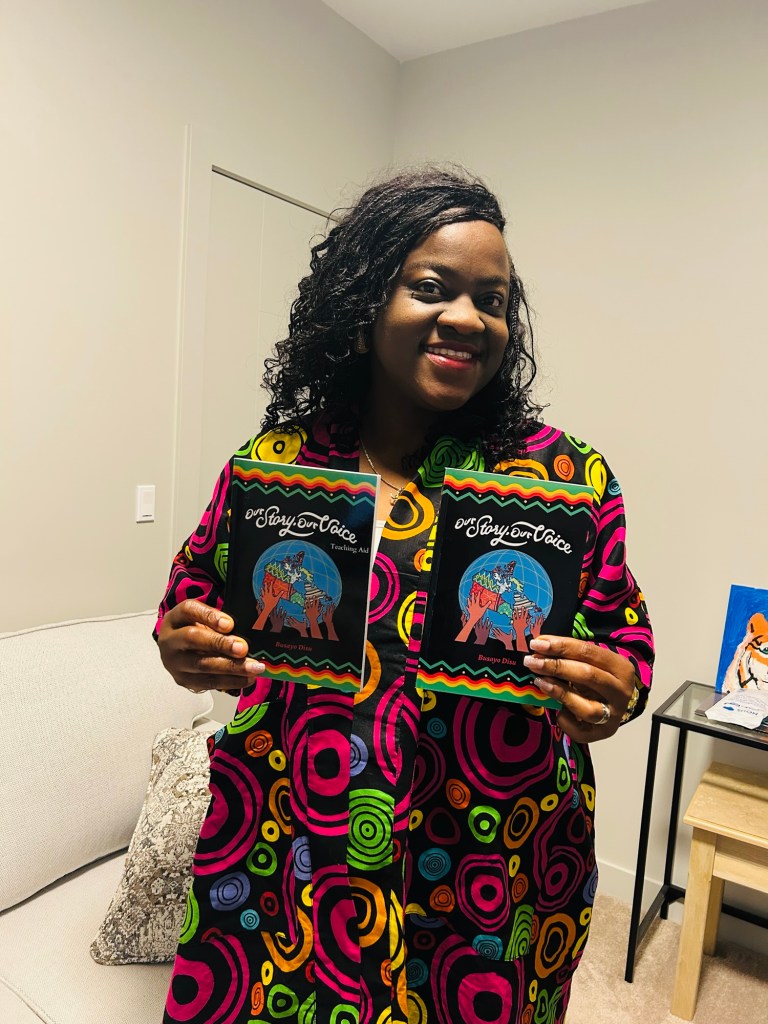
I hope we can begin to see people beyond assumptions. To empathize with them.
To pronounce their names with pride.
To appreciate differences rather than fear them.
To seek common ground wherever cultures meet.
To build a Canada where every person,
regardless of where they come from, can feel a sense of belonging.
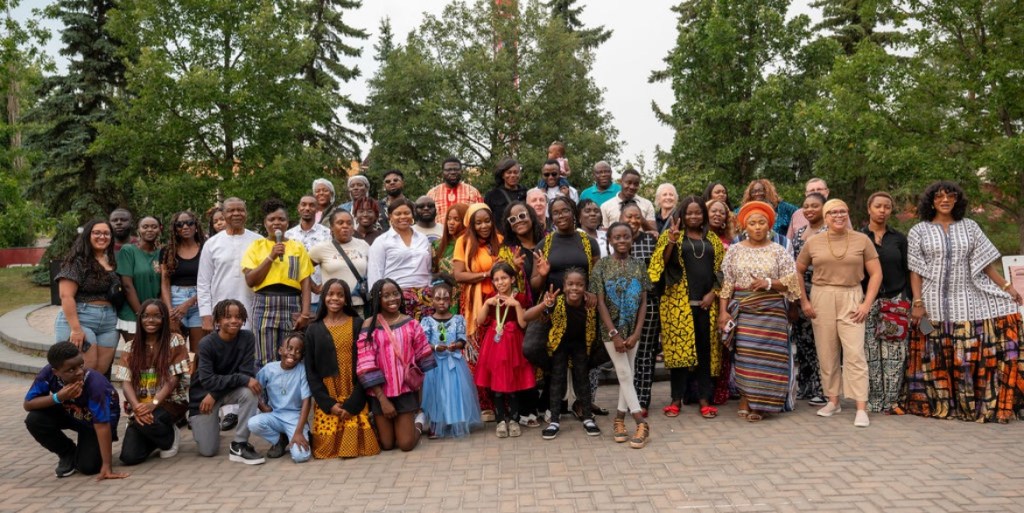
Together, we continue to build our workplaces, schools, and communities so that every person feels understood and valued.
This is our story.
This is our voice.
Discover more from Avid Readers of Africa
Subscribe to get the latest posts sent to your email.

Great read. Good job Busayo
LikeLike
Perfectly said Busayo! (Cultural sensitivity)
LikeLike
Beautifully written. Culture is beautiful when we listen to ourselves and not make assumptions.
LikeLike
“Diversity enriches our collective intelligence” …words perfectly woven together.
Keep shining your light!
LikeLike
Beautiful piece—its truth is undeniable and deeply resonant.
LikeLike
Very well written. This is so relatable as you have captured the experience of many people in this write up
LikeLike